
Shopify · February–June 2026
A US soccer jersey store
$6.1K → $191.7K · 31× in 4 months
01 / Growth system
Brand research, Meta and Google Ads, email and SMS retention, and profit analytics, run by AI agents that know your brand and checked by the founder.
Target: +$100K in 90 days, set with you on the call. Miss it, and the next 30 days are on us.
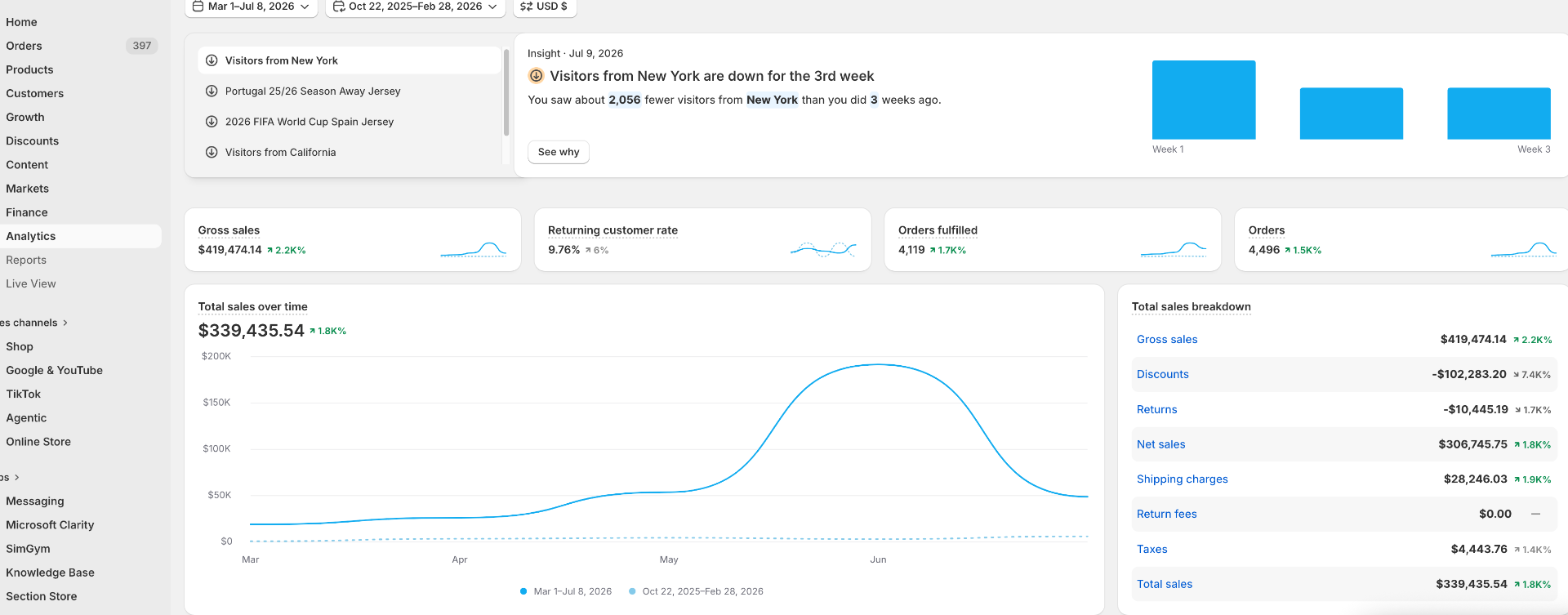
Shopify · February–June 2026
Brands we've grown








Apparel · Sports gear · Music gear · Automotive · Home decor · Health and beauty



Shopify · February–June 2026
A US soccer jersey store
$6.1K → $191.7K · 31× in 4 months
Shopify · Jan–Aug 2025 vs 2026
A US kids' apparel brand
$1.33M → $1.95M · revenue +47%
Shopify · October 2024–July 2025
A new US music gear store
$4.2K first month → $392.3K 9 months later
Google Ads · May–July, then 12 months
A UK boxing brand
379% → 925% ROAS · held 12 months · £1.12M sales
Google Ads · first 90 days
A new Google Ads account for a US music gear store
$189.8K revenue on $44.2K spend · 4.29× return
Paid media · new account
A new ad account for a US wheels store
$102K sales on $5K spend · 20× return
Klaviyo · Aug 1–Sep 28
Email and SMS retention
$0 → $17,650 in email and SMS flow revenue
Each step feeds the next, so results compound instead of resetting every month.
Your reviews and competitors' reviews. Customer interviews and surveys. Buyer segments, objections, competitor offers, prices, longest-running ads, search demand and markets worth entering.
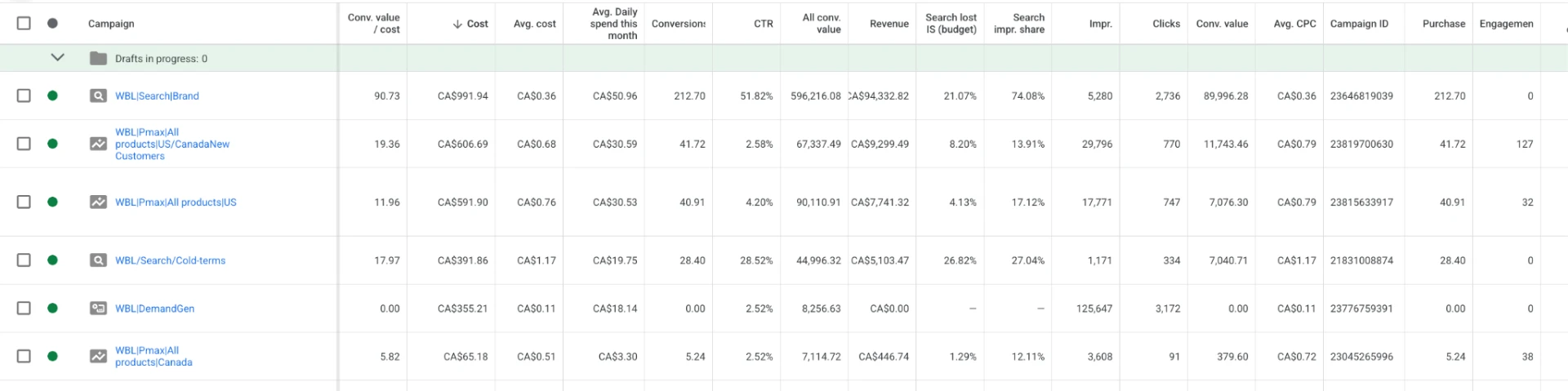
Your ad budget went up. Revenue barely moved.
Your site does not turn enough paid visits into orders.
Most customers buy once and never come back.
Most agencies raise the budget and wait. But revenue is traffic × conversion rate × average order × repeat purchases. We work on all four.
See the real thing. Screenshots from our actual weekly reports and dashboards, client names hidden.

I've spent $3.2M of my own money on DTC ads and lost $195K on mistakes I now catch in the first week. Since 2017, we've worked with eCommerce and service brands in 7 countries. This system is what I wish I'd had back then. I still review every account myself.
You get the speed of software and the judgment of someone who has already paid for these mistakes.
The team behind the agents. A creative strategist who finds the angles and writes the briefs, designers and video editors who make the ads, media buyers for Meta and Google, an email and retention specialist, and a project manager who keeps it all on schedule. The agents take the routine. The people do the thinking.
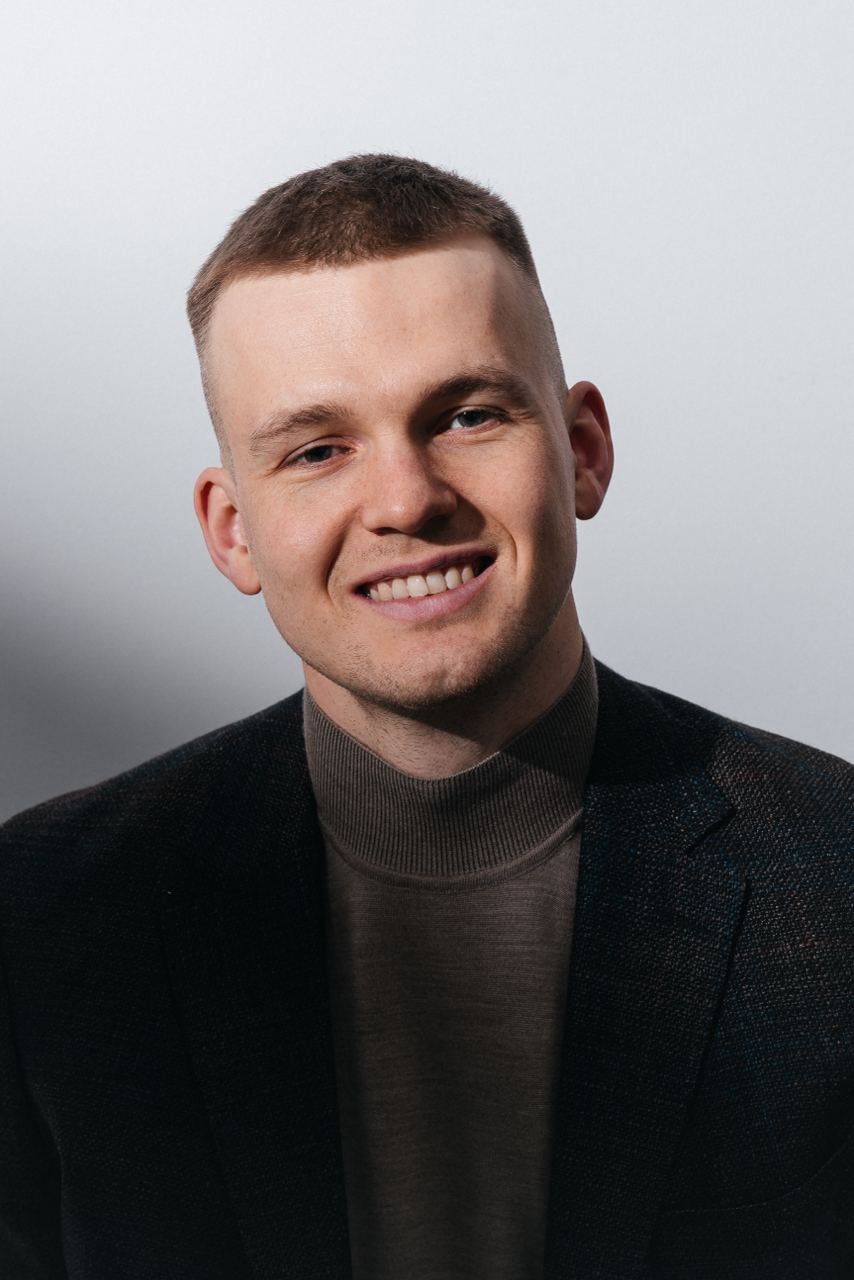
Growth Session with Walter, our Growth Strategist. We dig into what's holding your growth back, and you give us read-only access to your ads, analytics and store.
↓We go through your real numbers before we talk again.
↓We show you what we found, the plan to +$100K in 90 days, and what it costs. You decide.
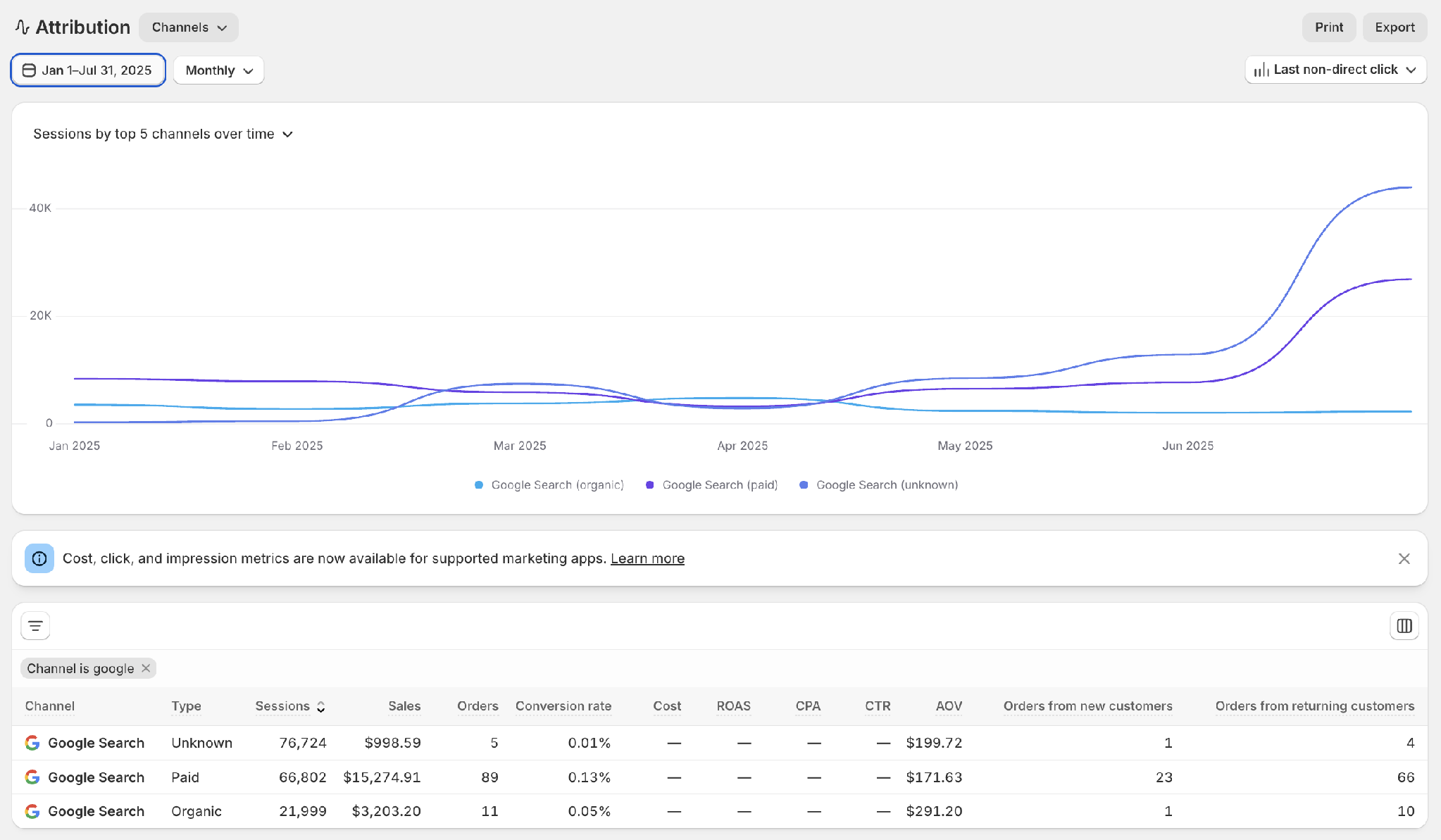
Tracking you can trust, customer and brand research, and a full audit of ads, site, checkout and email. We fix the biggest leaks first.
Meta and Google rebuilt around margin, fresh creatives, conversion tests and retention flows live.
Budget follows profit, winning tests roll out, and the next-quarter plan is clear.
Shopify brands that already sell, already make money, and want to grow the whole business, not just buy more traffic.
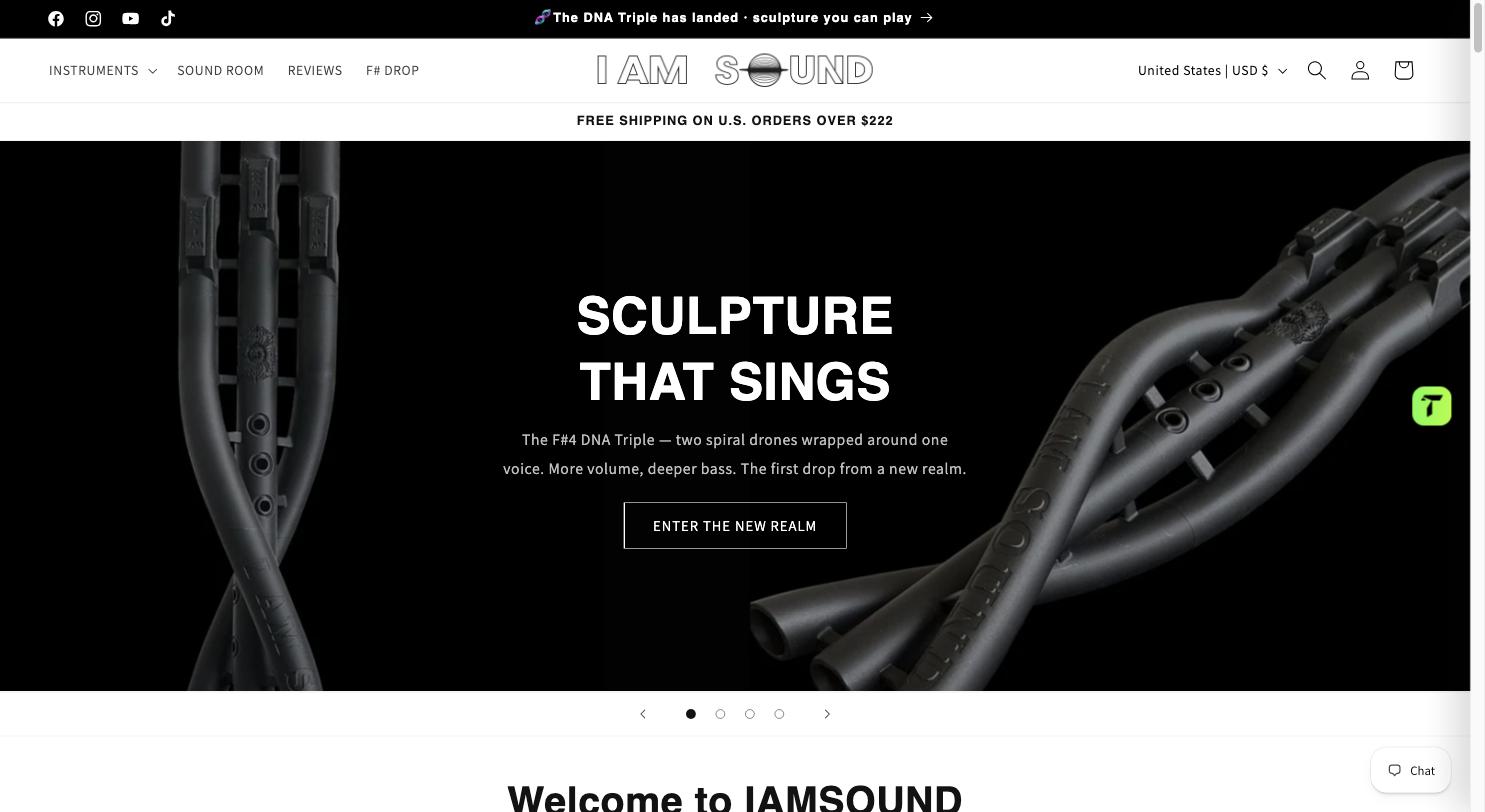
Teams ready to fix the whole system and measure profit.
If you just want someone to push buttons in Ads Manager.
Growth Session
We look at your store, ads and repeat sales together. You leave with your biggest growth points and a 90-day target.
Target: +$100K in 90 days, set with you on the call. Miss it, and the next 30 days are on us.
No. We run the whole growth system: research, brand, ads on Meta, Google and TikTok, SEO, site conversion, email and SMS, and analytics.